
Michael Jordan’s Atlantic City Casino Night: The 1993 NBA Play-off Controversy
In May 1993, Michael Jordan was chasing a third straight NBA championship with the Chicago Bulls. Yet a trip to an Atlantic City casino, hours before a crucial game against the New York Knicks, briefly pushed basketball out of the headlines. The disputed timeline turned the visit into a national controversy.
Why Jordan Went to Atlantic City During the Knicks Series
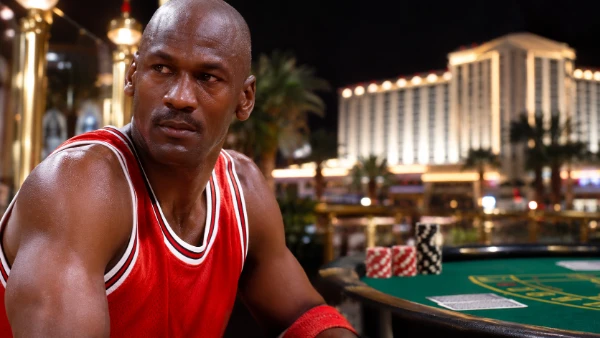
Chicago had lost Game 1 of the Eastern Conference finals 98–90 on 23 May. With Game 2 scheduled in New York on 25 May, Jordan travelled to Bally’s Grand casino in Atlantic City on Monday evening. He later confirmed that he went with his father and companions and played blackjack.
Blackjack was one of the casino games Jordan enjoyed, and his Atlantic City visit attracted particular attention because of its timing. The card game remains popular both in traditional casinos and online, with limit casino offering access to blackjack and other casino games. However, the controversy surrounding Jordan had little to do with his choice of game. The real issue was his decision to spend an evening at a casino while the Chicago Bulls were trailing the New York Knicks in the Eastern Conference finals.
On 27 May, reports citing casino witnesses suggested Jordan had remained there until around 2.30 am on Tuesday. Jordan disputed that account. He said he left at about 11 pm, returned to his New York hotel by 12.30 am and was in bed by 1 am. The accounts remain disputed.
What Happened in Game 2?
The Knicks won 96–91 at Madison Square Garden, taking a 2–0 series lead. Jordan scored 36 points and collected nine rebounds, but made only 12 of his 32 field-goal attempts. His shooting difficulties, particularly after half-time, gave critics a convenient way to connect the defeat to the previous evening.
That connection remained speculation. There was no reliable evidence showing that the casino visit affected Jordan’s fitness or caused Chicago’s defeat. He said he slept for roughly eight hours and attended the team’s morning shootaround. A poor shooting night alone proves little about an athlete’s preparation.
The episode also highlighted a clash of expectations. Players could spend their free time as they wished, yet supporters expected their biggest star to avoid distractions during the play-offs. The question became less about whether casino gambling was permitted and more about judgement and professional responsibility.
How the Gambling Story Became a National Scandal
Jordan’s trip drew intense attention partly because gambling stories had followed him before. In 1992, the NBA had examined reports concerning cheques linked to gambling debts and took no disciplinary action. Against that background, even an evening playing blackjack invited a more serious public debate.
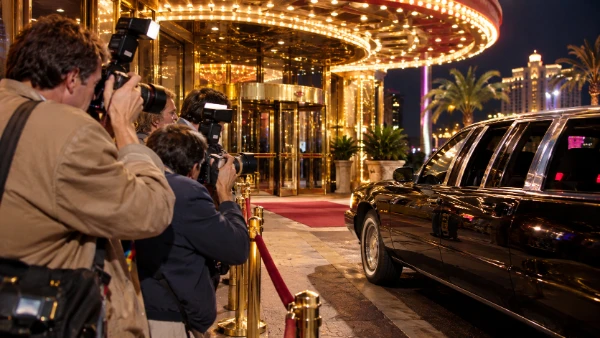
Jordan answered reporters forcefully on 27 May, rejecting the claim that he was still gambling at 2.30 am. He offered details about the limousine’s departure and challenged anyone making the allegation to substantiate it. Coach Phil Jackson defended his player, while the controversy dominated questions ahead of Game 3.
The Bulls then refused to speak to reporters on the Friday before that match. Their silence kept the story alive. The underlying facts were narrower than many headlines suggested: Jordan admitted the visit, denied the alleged departure time and was not sanctioned over this outing.
What the Bulls’ Comeback Revealed
Chicago responded on court. On 29 May, the Bulls won Game 3 by 103–83, despite Jordan making just three of 18 shots. Two days later, he scored 54 points in a 105–95 Game 4 victory. The shift showed how misleading it could be to treat one player’s shooting percentage as a simple measure of his preparation.
The Bulls won the series 4–2 and went on to defeat the Phoenix Suns in six games for their third successive championship. Those results did not settle the argument about Monday night’s schedule, but they undermined suggestions that the casino episode had derailed Chicago’s season.
Looking back in 2026, the strongest account separates documented events from claims. Jordan played blackjack in Atlantic City before Game 2; the reported 2.30 am sighting was contested; Chicago lost that game but recovered. The episode remains a revealing example of the scrutiny elite athletes face when private choices collide with public expectations.