
How Jordan Brand’s Target Audience Evolved Across Generations
The story of Jordan Brand is closely tied to shifts in sport, culture and fashion. What began as a performance-focused basketball line in the mid-1980s gradually turned into a global symbol of identity, creativity and urban style. Understanding how the audience changed from athletes to wider cultural communities explains why the brand still holds a strong position in 2025.
Early Generations: Basketball Fans, Aspiring Athletes and 80s–90s Youth
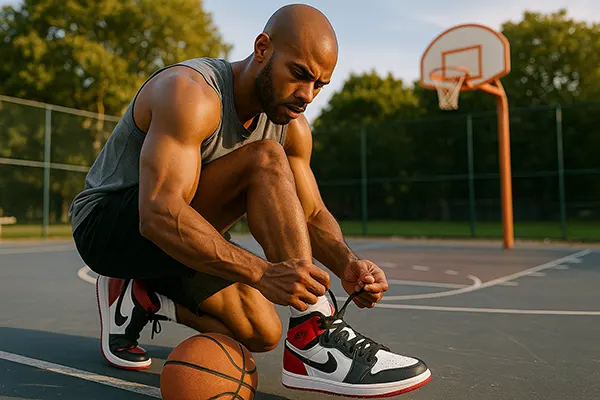
When the first Air Jordan appeared in 1985, its audience was clear-cut: basketball fans who followed Michael Jordan’s rise. Young athletes wanted footwear that reflected his performance on court, while teenagers engaged in school and community sports viewed these shoes as a piece of sporting excellence. The model exceeded typical sports footwear expectations for that era, which strengthened its credibility among players.
Throughout the late 1980s and early 1990s, the brand maintained this strong connection with competitive sport. Many buyers were inspired by televised NBA games, where Jordan delivered iconic performances. Trainers were bought not only for their appearance but also for functional reasons such as cushioning innovations and reliability under pressure. Parents purchasing for their children often considered the product a high-end sporting item associated with discipline and ambition.
By the mid-1990s, Air Jordan had become a recognisable element of youth identity in North America and beyond. While the core remained linked to basketball culture, more teenagers purchased the shoes simply because they symbolised prestige and high performance. Even then, demand stayed firmly connected to the sporting achievements that defined the brand’s origins.
How the Brand Became a Lifestyle Element During the 1990s
During the second half of the 1990s, the trainers began appearing in music videos, urban magazines and popular culture. Visibility outside the court indicated a transition from purely functional sportswear to a growing lifestyle item. Young buyers valued the shoes not only as equipment but also as fashion statements that reflected confidence and individuality.
At this stage, resale demand slowly emerged among collectors who appreciated early models. Limited colourways and seasonal releases encouraged buyers to see the product as something beyond typical sports footwear. This shift helped define the foundation of the collector community, which remains a key audience segment today.
By entering these new cultural spaces, the brand gained recognition among people who were not directly involved in sport. Although basketball remained central, Air Jordan gained appeal among groups who connected with its design and status more than with professional athletics.
The Influence of Subcultures: Hip-Hop, Streetwear and Fashion Integration
From the early 2000s, hip-hop culture became one of the most influential forces shaping the brand’s direction. Artists frequently wore Air Jordan trainers during performances and public appearances, which made the product highly desirable among fans of the genre. This shift brought the brand closer to music-influenced audiences, who valued expressive style and individuality.
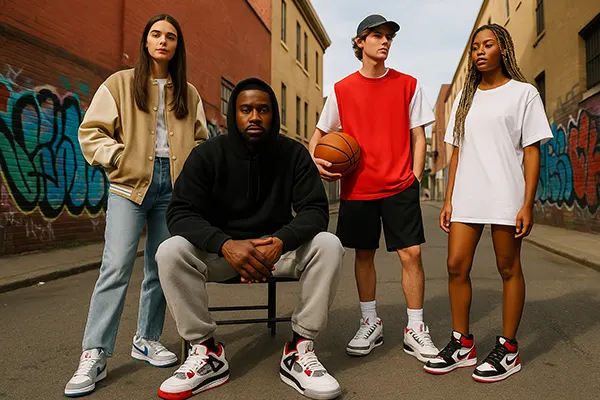
The rise of streetwear in the 2010s played a major role in expanding the consumer base. As global fashion shifted towards oversized silhouettes, bold colour combinations and sport-inspired outfits, Air Jordan trainers fit naturally into everyday clothing. Collaborations with designers and cultural figures strengthened the brand’s stylistic relevance and made it part of broader creative movements.
By the early 2020s, Jordan Brand had an established presence in the fashion sphere. Trainers regularly appeared at industry events, in collaborations with luxury houses and within curated collections. Their association with culture, identity and design meant the audience now included musicians, artists, influencers and style-oriented consumers with no direct link to basketball.
How Cultural Adoption Redefined the Consumer Profile
The social identity of the typical Jordan consumer grew more diverse as new communities adopted the trainers. Collectors, musicians and street fashion enthusiasts valued the product for reasons unrelated to performance. The shoes were associated with heritage, creativity and urban expression rather than solely with sport.
The brand’s storytelling also contributed to its expanded audience. Themes of determination, personal achievement and cultural impact resonated with people from various backgrounds. Limited-edition releases and collaborations created demand among individuals interested in design, exclusivity and cultural significance.
By merging with these cultural expressions, the brand developed a stronger emotional connection with consumers. Trainers became markers of participation in global urban culture, which broadened the audience and shifted the brand’s identity towards lifestyle and modern fashion.
Modern Audience: Women, Younger Consumers and Retro Enthusiasts
By 2025, the brand’s audience includes a wide range of demographics. One of the most notable developments is the rising number of women purchasing Air Jordan products. Dedicated sizing ranges, targeted marketing and collaborations led to increased interest among female consumers. The brand’s presence in women’s sports also contributed to this trend.
Younger generations, especially those born after 2005, connect with Jordan Brand through online culture rather than direct memories of Michael Jordan’s career. Their interest is often influenced by social media creators, digital fashion trends and the popularity of retro aesthetics. They view the trainers as versatile items suitable for daily wear, personal expression and trend-following.
Retro collectors, including adults who remember original releases, remain an important part of the audience. This group seeks reissued classics, archival colourways and models linked to historical moments in basketball. Their interest preserves the connection between the brand and its early identity while supporting its contemporary relevance.
Future Consumer Trends and Demand Expansion
Looking ahead, the brand is expected to see continued growth among international audiences who value cultural authenticity and design heritage. Regions with expanding streetwear communities show increasing demand for both classic and modern silhouettes. Cross-cultural influences further diversify consumers who associate the brand with personal taste rather than sport alone.
A further rise in female participation is likely, driven by inclusive product lines and expanding representation in marketing. As women’s sports continue developing globally, the brand’s relevance in this segment is expected to grow. This shift contributes to a more balanced and varied consumer demographic.
The popularity of nostalgic fashion ensures that retro-inspired releases will remain in demand. As more young people discover earlier models, appreciation for archival designs continues expanding. This strengthens the brand’s long-term appeal and maintains its connection across multiple generations.